The Ontario Seniors Dental Care Program (OSDCP) gives free routine dental care to Ontario residents aged 65 and older with low incomes. As of September 2026, you may qualify if your net income is $25,480 or less as a single senior, or $42,290 or less combined as a couple. Care is provided through public health units and community clinics, and there is no cost to apply.
How much you can get
The OSDCP doesn’t pay you money. It covers dental services directly at participating clinics. Routine care is free. Dentures are only partly covered.
| What | As of September 2026 |
|---|---|
| Income limit, single senior | $25,480 or less (annual net income) |
| Income limit, couple | $42,290 or less (combined annual net income) |
| Cost of routine covered care | Free |
| Dentures and other prosthetics | Partly covered; ask your local public health unit |
| Coverage period | Up to one year, ending July 31 each year |
Ontario raised these income limits from $25,000 and $41,500. Ontario’s current program flyer, updated July 2026, lists the new figures.
What’s covered
The program covers:
- Exams and assessments.
- Preventive care: check-ups, scaling (cleaning), fluoride and polishing.
- Fillings and repairs for broken teeth and cavities.
- X-rays.
- Oral surgery to remove teeth or abnormal tissue.
- Anesthesia.
- Treatment of infection and pain (endodontic services, such as root canals).
- Treatment of gum conditions and disease (periodontal services).
Some procedures have limits based on scientific and clinical criteria. Dentures and other prosthodontic services are partly covered, so you may pay part of the cost. Your local public health unit can tell you what applies where you live.
Who qualifies
You may qualify if all of these apply:
- You are 65 or older.
- You live in Ontario.
- Your annual net income is $25,480 or less as a single senior, or your combined annual net income is $42,290 or less as a couple.
- You have no other dental benefits, apart from the Canadian Dental Care Plan. That means no private insurance and no dental coverage through another government program, such as Ontario Works, the Ontario Disability Support Program or Non-Insured Health Benefits.
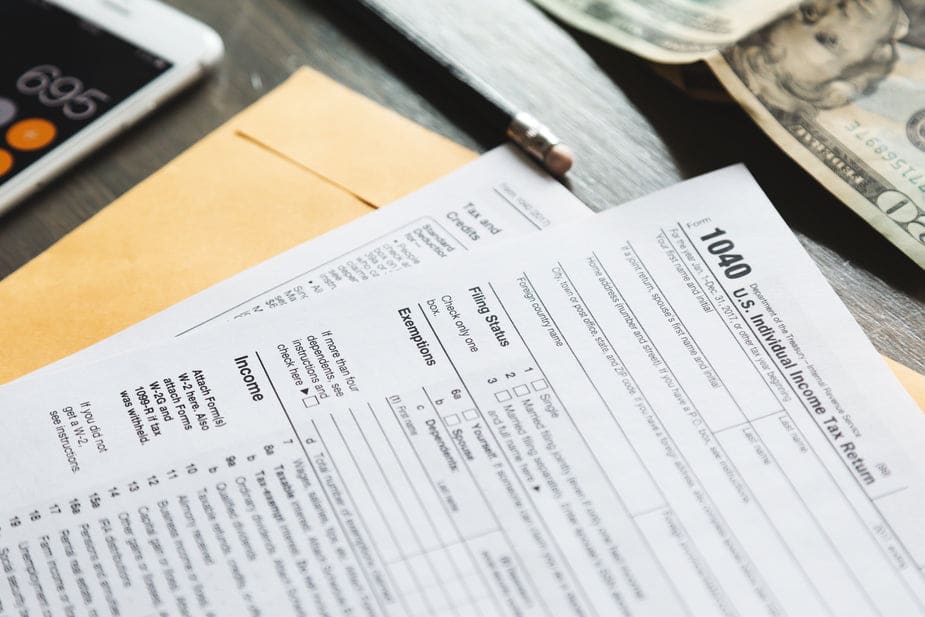
The program checks your income with your Social Insurance Number, using the net income on your most recent tax return. Filing your taxes every year keeps this simple.
How it works with the Canadian Dental Care Plan
Many Ontario seniors qualify for both programs. Ontario says you may qualify for the Canadian Dental Care Plan (CDCP) and still be eligible for the OSDCP, as long as you meet the OSDCP rules. Being in the CDCP does not count as “other dental benefits” for the OSDCP.
The two programs work differently, which can help you decide where to go:
| Ontario Seniors Dental Care Program | Canadian Dental Care Plan | |
|---|---|---|
| Who runs it | Government of Ontario | Government of Canada, through Sun Life |
| Age | 65 and older | All ages |
| Income limit | $25,480 single, $42,290 couple | Under $90,000 adjusted family income |
| Where you get care | Public health units, community health centres, Aboriginal Health Access Centres, some mobile clinics | Participating private dental offices |
| Routine care cost | Free | Free or a co-payment, depending on income |
Ontario’s program pages don’t say which program pays first when you have both. If you’re in both, ask your public health unit or the OSDCP line (1-833-207-4435) which program to use for the treatment you need, especially for dentures, which the OSDCP only partly covers. At an OSDCP clinic, you show your OSDCP card.
Where to get care
OSDCP care is given through:
- Public health units.
- Participating community health centres.
- Aboriginal Health Access Centres.
- Mobile dental clinics in some areas.
The full range of services isn’t offered everywhere, so what’s available depends on where you live. Your welcome package explains how to book an appointment.
How to apply
If you and your spouse or common-law partner are both applying, each of you must send a separate application.
- Have your SIN ready. The program uses it to check your age, residency and net income from your tax return.
- Apply online at ontario.ca/SeniorsDental. You can sign with an e-signature, or print the consent form and mail it within 30 days.
- Or apply by mail. Print the form, or pick one up at your local public health unit, community health centre or Aboriginal Health Access Centre. Mail it to: Ontario Seniors Dental Care Program, Station P, P.O. Box 159, Toronto, Ontario M5S 2S7.
- Get help if you need it. Your local public health unit, community health centre or Aboriginal Health Access Centre can help you fill in the form. You can also call 416-916-0204 or toll-free 1-833-207-4435 (TTY 1-800-855-0511).
If you don’t have a SIN or haven’t filed a recent tax return, you can still apply. A guarantor must confirm your identity, age and residency. The guarantor must be a Canadian citizen, 18 or older, from Ontario’s approved list of professions.
How you get your coverage
Once you’re approved, you’ll get a welcome package and a dental card in the mail. Show your card at each visit to the public health unit, community health centre or Aboriginal Health Access Centre that provides your care.
Coverage lasts up to one year and ends on July 31 each year. For most people, Ontario checks your eligibility again automatically each year, and you’ll be told whether you’re still in the program. You only need to apply again if you first applied with a guarantor or haven’t filed a recent tax return.
Things to watch for
- Your card has an expiry date. Cards expire on July 31. Watch your mail each summer for news about your eligibility for the next year.
- File your taxes every year. Automatic renewal depends on the program seeing your income.
- Denture costs. Dentures are only partly covered. Ask about your share before treatment starts, and check whether the CDCP could cover more of it.
- Services vary by area. If your local clinic doesn’t offer a service, ask where you can get it.
- Scam warning: applying is free. The government never asks for payment or gift cards to release a benefit. See our scams guide.
For other programs you might qualify for, try the benefits checkup. Seniors with low incomes may also be eligible for the Guaranteed Income Supplement.
Common questions
What is the income limit for Ontario seniors dental care in 2026?
As of September 2026, it is $25,480 in annual net income for a single senior and $42,290 in combined annual net income for a couple.
Is the Ontario Seniors Dental Care Program free?
Routine covered care is free. Dentures and other prosthetics are only partly covered, so you may pay part of that cost.
Can I have both the OSDCP and the Canada Dental Care Plan?
Yes. Ontario says you may qualify for both, as long as you meet each program’s rules. Ask your public health unit which to use for a given treatment.
Can I go to my own dentist with the OSDCP?
The OSDCP provides care through public health units, participating community health centres, Aboriginal Health Access Centres and some mobile clinics. To see a private dentist, the Canadian Dental Care Plan may be the better fit.
Do I need to reapply every year?
Usually not. Ontario checks most people’s eligibility automatically each year. You’ll need to reapply if you first applied with a guarantor or haven’t filed a recent tax return.
How do my spouse and I apply?
Each of you sends a separate application. Your combined net income must be $42,290 or less.