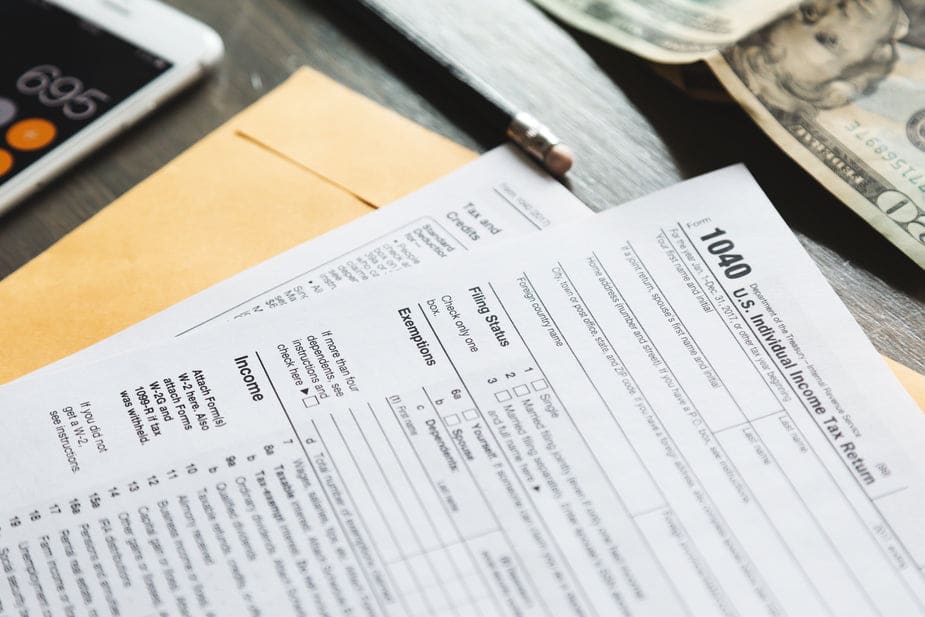
A property tax deferral lets you put off paying the property tax on your home. The province pays the tax for you as a low-interest loan, and you repay it later, usually when you sell the home or the last owner dies. As of September 2026, B.C., Alberta, Saskatchewan, New Brunswick and Prince Edward Island run provincial programs for seniors. The age, interest rate and rules are different in each one.
Programs by province
These are the provincial programs for seniors and their rules as of September 2026:
| Province | Program | Age | Interest rate | How to apply |
|---|---|---|---|---|
| British Columbia | Property Tax Deferment Program (regular program) | 55 or older (also surviving spouses and people with disabilities) | 6.45% a year, compounded monthly, on 2026 taxes (July to September 2026) | Online through eTaxBC, May 1 to December 31 |
| Alberta | Seniors Property Tax Deferral Program | 65 or older (only one spouse or partner needs to be 65) | 4.45% simple interest, reviewed every April and October | Online, by fax or by mail, at least 30 days before your municipal tax deadline |
| Saskatchewan | Seniors Education Property Tax Deferral Program (education portion only) | 65 or older in the current year, household income under $70,000 | Not shown on the main program page | Email, mail or in person to Saskatchewan Housing Corporation, any time of year |
| New Brunswick | Property Tax Deferral Program for Seniors (yearly increases only) | 65 or older (at least one owner on the deed) | 3.949% if household income is under $124,178, or 8.949% if higher | Online, by mail or at Service New Brunswick, by December 31 |
| Prince Edward Island | Seniors Property Tax Deferral Program | 65 or older, household income under $42,000 | Not shown in the provincial seniors guide | Application form with last year’s tax return |
| Ontario | No province-wide program. Municipalities must offer relief for low-income seniors. | Set by your municipality | Set by your municipality | Your city or town office |
Details by province
British Columbia
B.C.’s Property Tax Deferment Program has two streams. The regular program is for people 55 or older during the current year, surviving spouses of any age and people with disabilities. The families with children program is for parents and others supporting a child. You must be a Canadian citizen or permanent resident, be a registered owner, have lived in B.C. for at least one year, and have paid all past property taxes.
The home must be your principal residence. For the regular program you need at least 25% equity, based on your BC Assessment value. All mortgages, credit lines and deferred taxes together can’t be more than 75% of the value. The families program needs 15% equity.
Interest changed in 2026. Taxes deferred for 2026 and later years are charged prime plus 2%, compounded monthly, for both programs. The rate is set on January 1, April 1, July 1 and October 1. It was 6.45% from January 1 to September 30, 2026. Taxes deferred for 2025 and earlier still get simple interest: 2.45% under the regular program and 4.45% under the families program from April 1 to September 30, 2026. The rates starting October 1, 2026 weren’t posted as of September 26, 2026. See the current rates page.
The regular program charges a $60 fee when you first apply and $10 each year you renew. These fees are added to your loan.
Alberta
Alberta’s Seniors Property Tax Deferral Program is for homeowners 65 or older. Only one spouse or partner needs to be 65. You must have lived in Alberta for at least 3 months and have at least 25% equity in your home. Your income doesn’t matter.
The current rate is 4.45% simple interest. Alberta reviews it every 6 months, in April and October. Simple interest means you pay interest only on the taxes deferred, not on past interest. Once approved, you can defer for up to 10 years without reapplying. Apply at least 30 days before your municipal tax deadline, which is usually June 30. Call 1-877-644-9992 with questions.
Saskatchewan
The Seniors Education Property Tax Deferral Program is a repayable loan for the education portion of your property tax only. You must be 65 or older in the current year, own and live in your home in Saskatchewan, have household income below $70,000 and keep at least 25% equity. You also need all-risk home insurance and no writs or liens on title. Apply through Saskatchewan Housing Corporation at 1-800-667-7567.
New Brunswick
New Brunswick’s Property Tax Deferral Program for Seniors works differently. It defers only the yearly increase in your property tax over a “base year.” The base year is the latest of: the year before you turned 65, the year you bought the home, or 2011. For example, if your base-year tax was $2,000 and this year’s is $2,100, you can defer $100.
At least one owner on the deed must be 65 or older. The home must be your principal residence, it must get the Provincial Residential Tax Credit, and your tax account must be in good standing. Interest is 3.949% a year if household income is under $124,178, and 8.949% if it’s higher. Apply by December 31 of the year you want to start. Call 1-800-669-7070.
Prince Edward Island
P.E.I.’s Seniors Property Tax Deferral Program lets you defer property tax on your principal residence. According to the province’s 2025-26 seniors guide, you must be 65 or older, have lived in the home for at least six months of the past year, and have household income under $42,000. Include last year’s income tax return with your application. If approved, you get a deferred tax certificate and a yearly statement. Call 902-368-4070.
Ontario
Ontario has no province-wide deferral for seniors. Instead, Ontario says low-income seniors and low-income people with disabilities who own a home may get relief from property tax increases through their local municipality. Each city or town sets its own rules, so call your tax office.
If you live in an area with no municipality, the Provincial Land Tax Deferral Program lets seniors 65 or older who get the Guaranteed Income Supplement defer the current year’s tax increase. Apply each year by February 28 of the following year.
Ontario also has a separate grant, not a loan, for lower-income senior homeowners. See the Ontario Senior Homeowners’ Property Tax Grant.
Nova Scotia
Nova Scotia offers a rebate, not a deferral. The Property Tax Rebate for Seniors pays back 50% of 2025 municipal residential property taxes, up to $800, if you get or qualify for the GIS or the Allowance in 2026. Apply by December 31, 2026. Find more cut-offs on our deadlines page.
Who usually qualifies
Each program has its own rules, but most ask that you:
- are a senior (55 or older in B.C., 65 or older elsewhere)
- own the home and live in it as your principal residence
- have enough equity, often at least 25% of the home’s value
- are up to date on past property taxes
- keep the home insured, where the program requires it
- meet an income limit, in Saskatchewan, P.E.I. and Ontario’s municipal programs
If you co-own the home, every registered owner may have to agree. If you have a mortgage or line of credit, B.C. suggests checking with your lender before you apply.
How to apply
- Check your province’s rules above and confirm you have enough equity. B.C. has an online equity calculator.
- Gather your property tax notice or roll number, your social insurance number, your latest mortgage and credit line statements, and your income tax return if there’s an income test.
- Apply before your tax due date. In B.C. and Alberta, applying late can mean late-payment penalties on your tax bill.
- Wait for approval before skipping your tax payment. Until you’re approved, your municipal tax bill is still yours to pay.
- Renew if your program needs it. B.C. offers automatic renewal. Alberta enrols you for up to 10 years.
How repayment works
A deferral is a loan secured against your home. The province registers a lien on your title. You don’t make monthly payments, but interest keeps building.
- When you sell: the loan and interest must be paid in full. In B.C., you can’t finish a sale until the account is paid. In New Brunswick, it’s due when the home is sold or transferred.
- When the owner dies: in Alberta, the full loan becomes due, unless a surviving spouse or partner 55 or older who owns and lives in the home takes it over. In New Brunswick, a surviving spouse who owns and lives in the home can stay in the program. In B.C., interest keeps adding up until the estate pays it off.
- Other changes: in B.C., refinancing, subdividing, or adding or removing an owner also means paying in full.
- Early repayment: you can repay all or part at any time in B.C., Alberta and New Brunswick.
Things to watch for
- Interest adds up. In B.C., 2026 and later deferrals now use compound interest at prime plus 2%, much higher than before.
- It reduces what you leave behind. The loan comes out of the home’s value when it’s sold.
- Equity can drop. If your home’s value falls or you borrow more, you may no longer qualify.
- Check with your lender. A lien may conflict with your mortgage or credit line terms.
- Rates change. B.C. sets rates four times a year and Alberta twice a year.
- Scam warning: the government never asks for payment or gift cards to approve a deferral. Learn more on our scams page.
To find other programs you may qualify for, try our benefits checkup.
Common questions
Can seniors defer property taxes in Canada?
Yes, in some provinces. B.C., Alberta, Saskatchewan, New Brunswick and P.E.I. have provincial programs for seniors. In Ontario, ask your municipality.
What is the BC property tax deferment interest rate for 2026?
Taxes deferred for 2026 are charged prime plus 2%, compounded monthly. That was 6.45% from January to September 2026. Older deferrals under the regular program were 2.45% simple interest from April to September 2026.
What age can you defer property taxes in Alberta?
You must be 65 or older, but only one spouse or partner needs to be 65. There is no income test.
Do I have to pay back deferred property taxes?
Yes. It’s a loan plus interest, usually paid when you sell the home or from the estate after death. You can repay early without waiting.
What happens to a property tax deferral when the owner dies?
It depends on the province. In Alberta and New Brunswick, a surviving spouse who owns and lives in the home may be able to keep the deferral. Otherwise, the estate repays the loan and interest, usually when the home is sold.